
For Insurance Brokers

Catastrophe intelligence
built for insurance brokers.

CERA® helps brokers clearly explain catastrophe risk, compare scenarios across carriers, and support placements with transparent, data-driven insights — even in complex, multi-peril environments.

Overview

Brokers use CERA® to bring clarity and confidence to both open market placements and delegated authority oversight. By combining best-in-class hazard models with real-time exposure insight, CERA® enables brokers to assess risk before placement, strengthen submissions to carriers, and manage MGA portfolios under binding authorities.

The result is faster placement decisions, improved transparency, and more effective reporting to capacity providers.

Challenges → Solutions

How CERA® Helps

CERA® helps brokers model submissions prior to placement and manage MGA exposures

INDUSTRY CHALLENGE
HOW CERA HELPS
Challenge
Limited insight before placement
Solutions
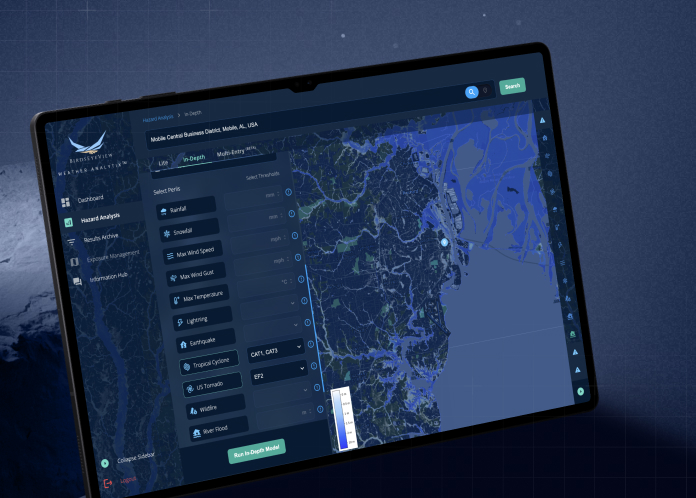
Assess risk instantly with hazard models
Challenge
Slow, manual submission analysis
Solutions
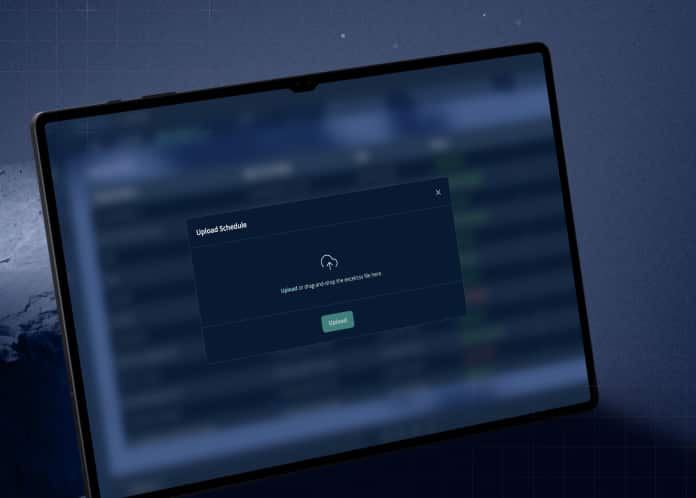
Ingest and model data in minutes
Challenge
Unclear exposure across binders
Solutions
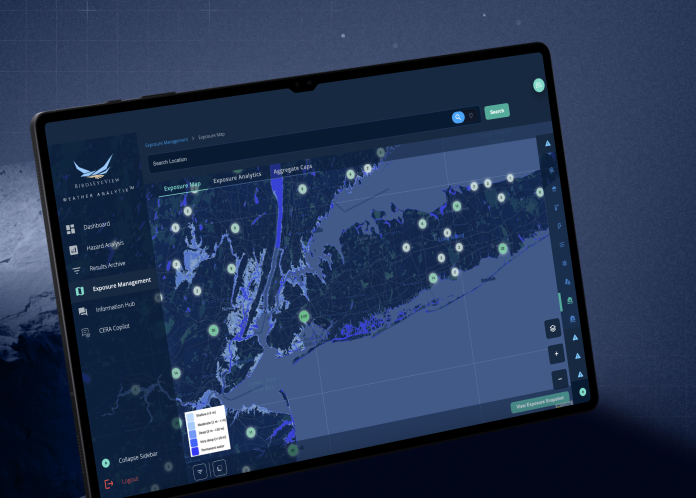
Visualise aggregates in real time
Challenge
Delays in carrier reporting
Solutions
Generate clear, data-driven outputs
Challenge
Fragmented tools and workflows
Solutions
One platform for modelling and exposure
Core Capabilities

Relevant Modules

Hazard Modelling

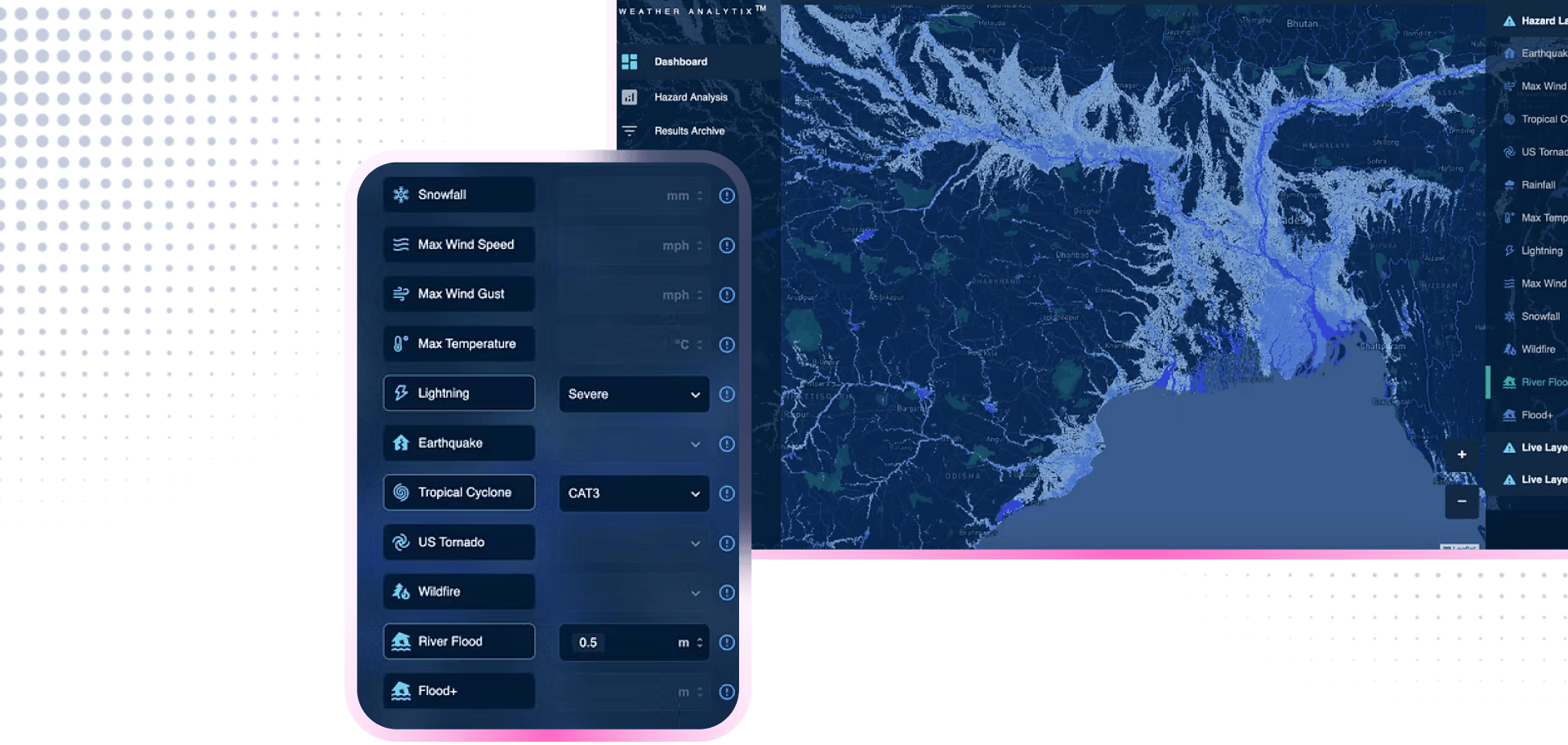
Probabilistic, physics-based models to identify flood, wildfire, wind, and earthquake risk.

Exposure & Aggregate Management

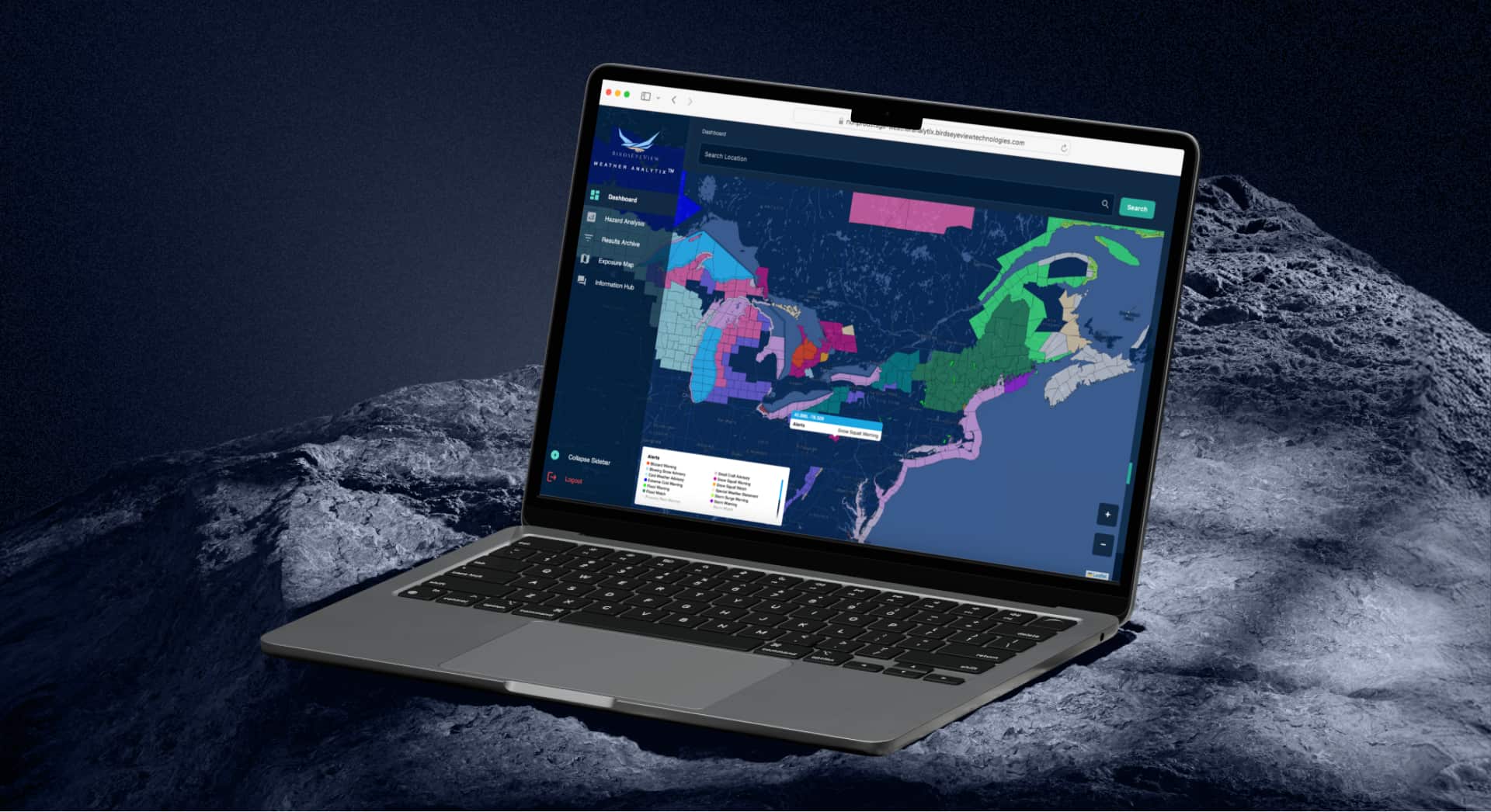
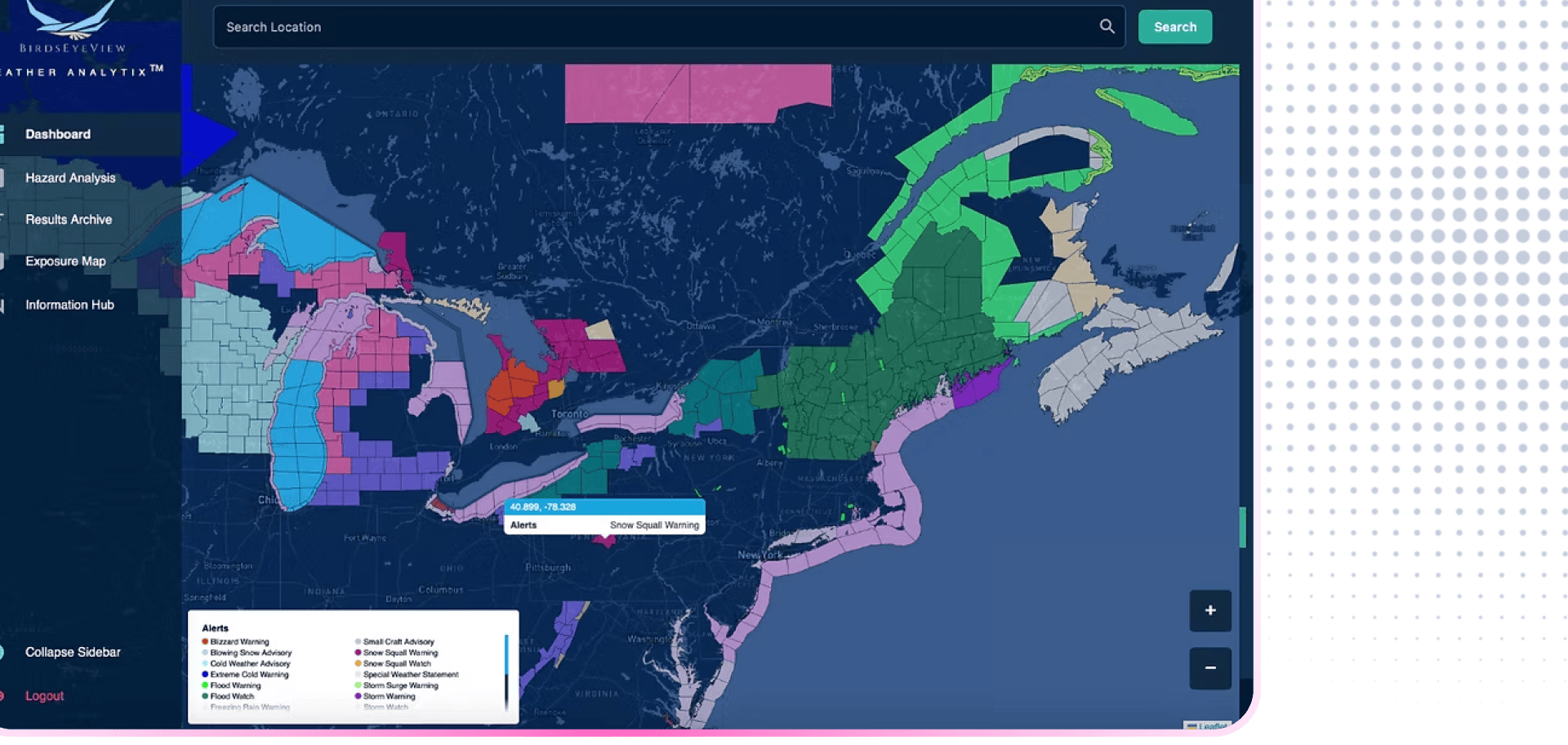
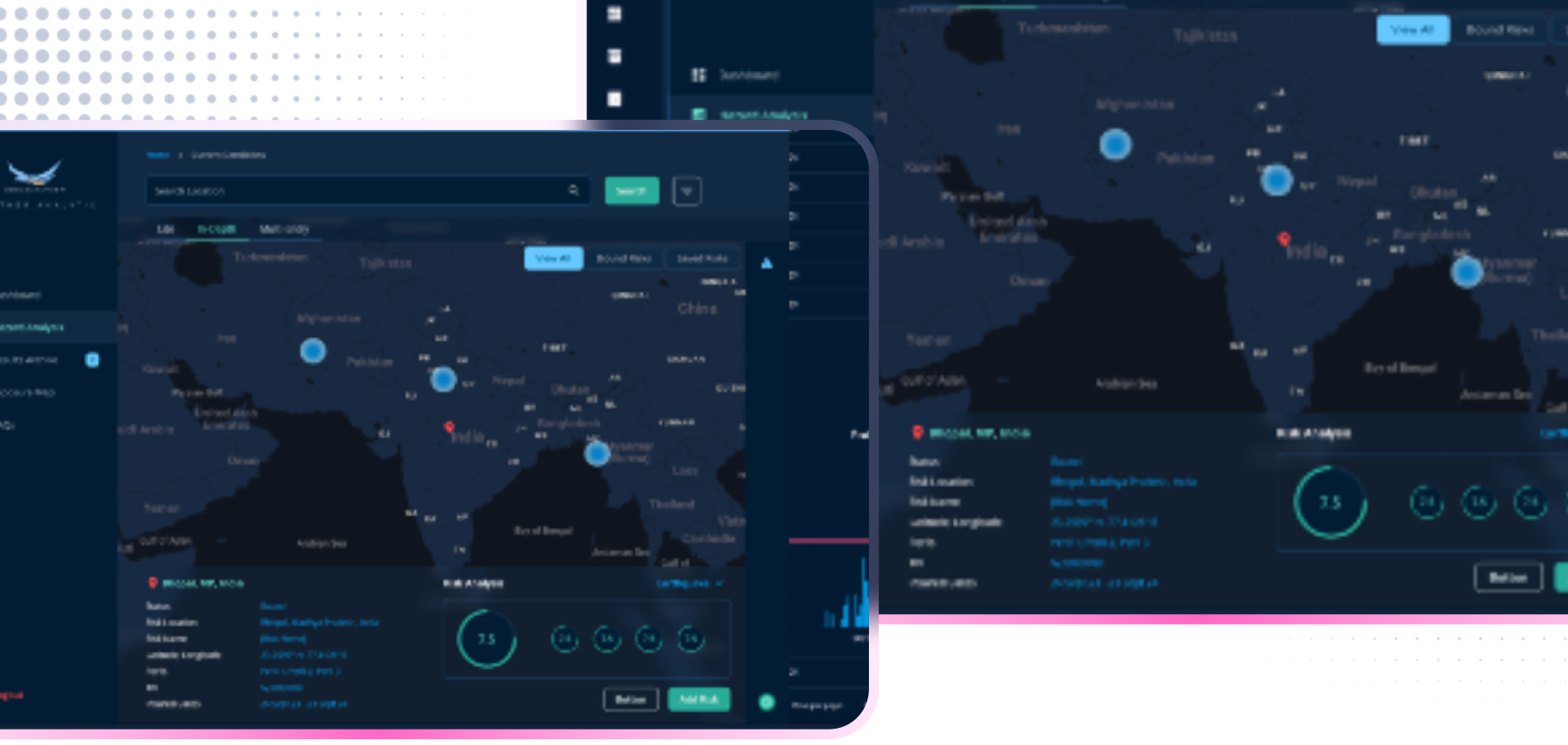
Upload and analyse thousands of locations with live exposure mapping.

Live Hazard Alerting

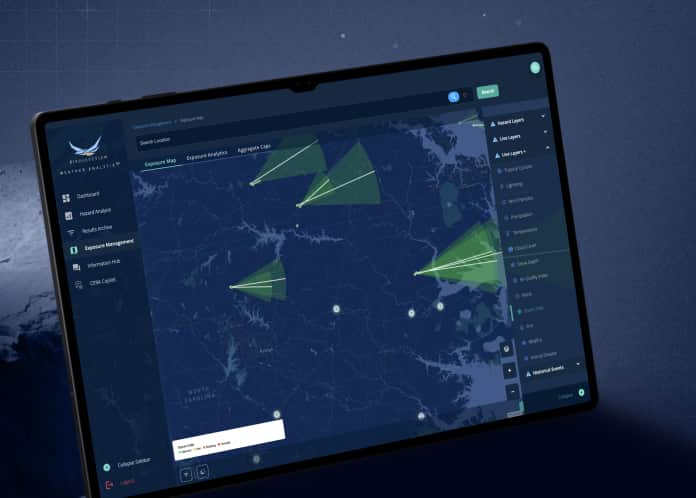
Monitor active events and exposed risks in real time.

Results

Underwriting
in minutes, not days.

The Data Behind the Fire: A Look Into Our Wildfire Model

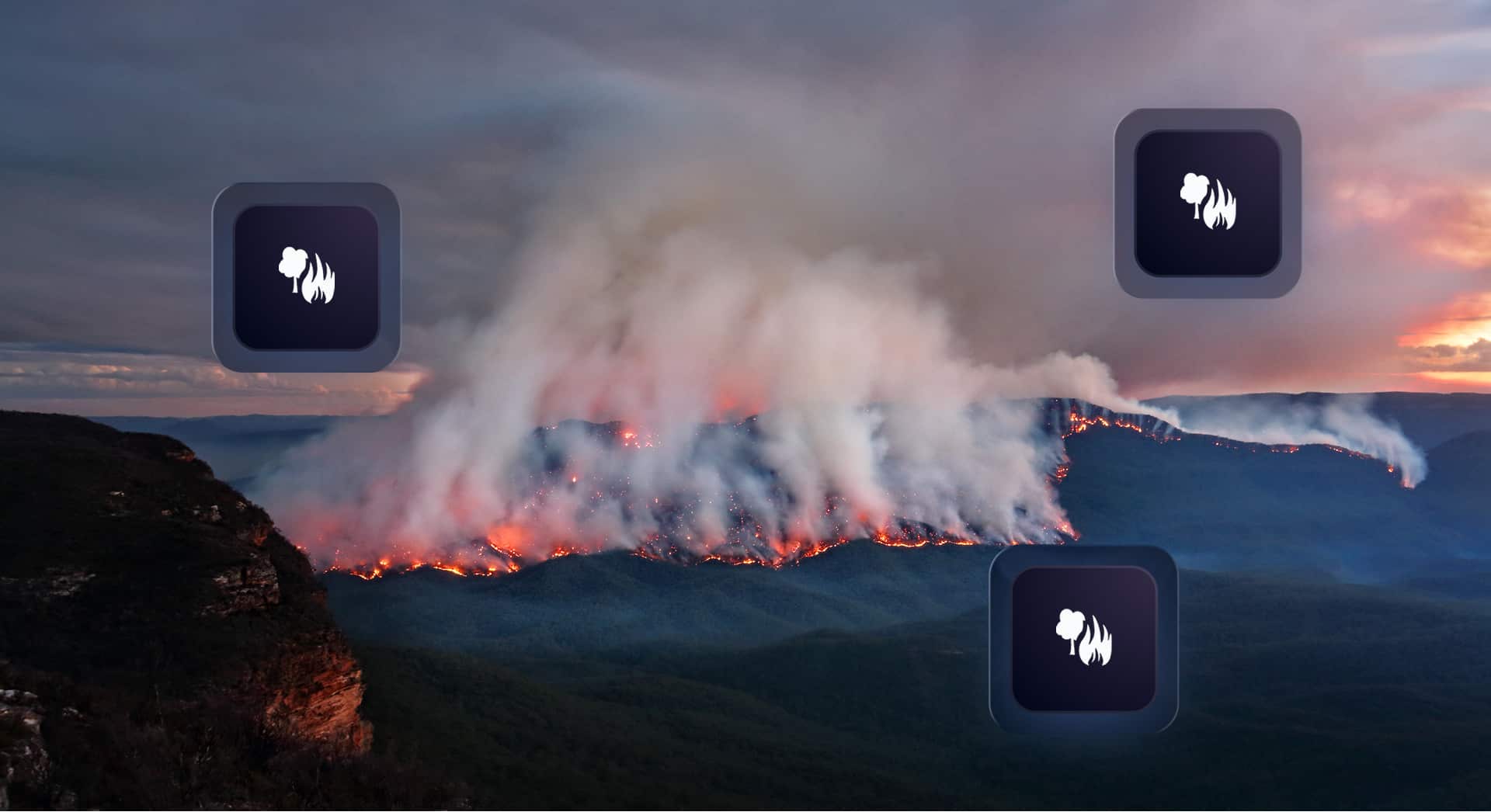
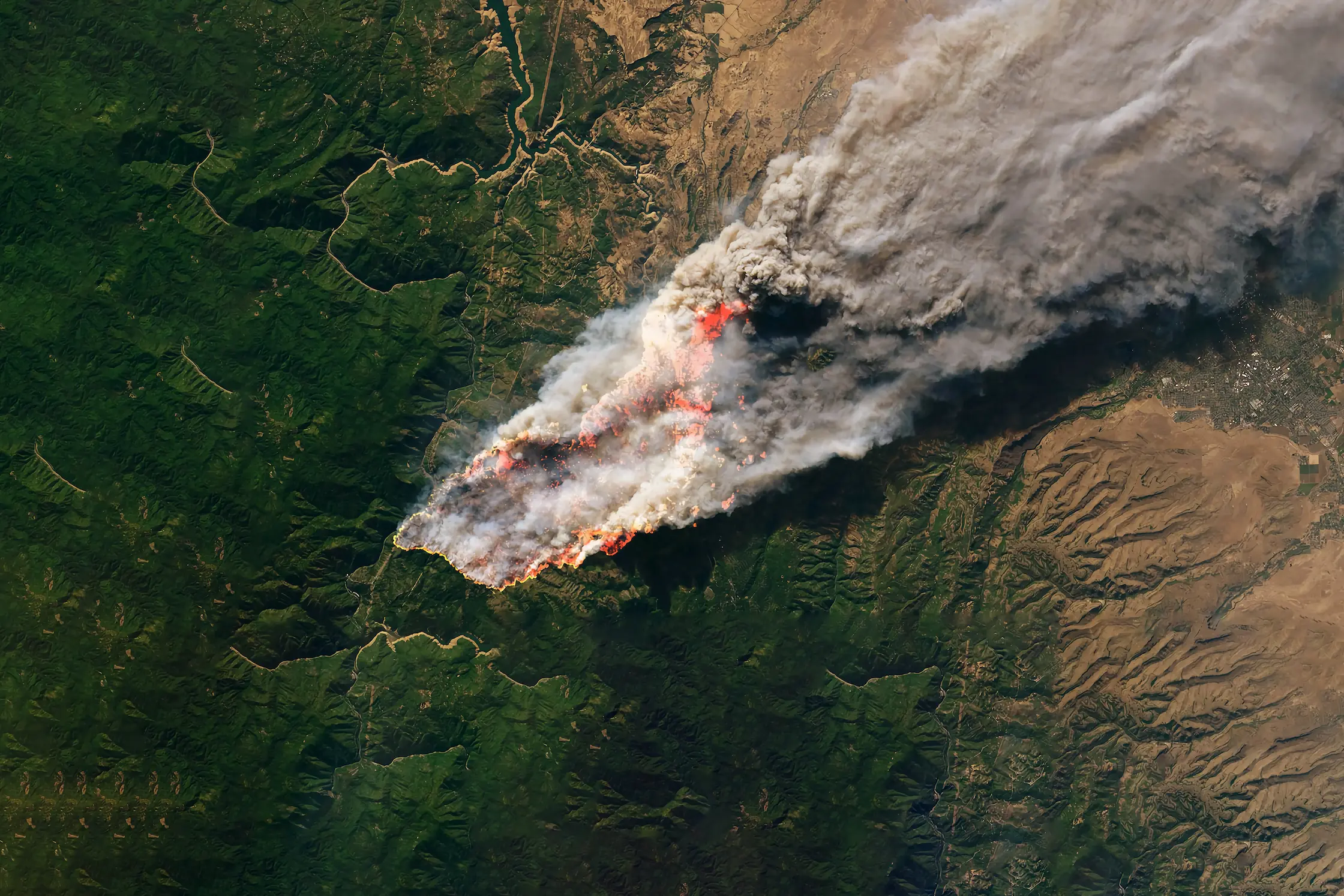
Wildfires now result in nearly 6 million more hectares of tree cover loss per year than in 2001, an area the size of Croatia. 

Feb 19, 2026

Introducing AI Data Scrubbing: Streamlining Exposure Data for Faster Hazard Modelling

Exposure data sits at the heart of effective catastrophe and hazard modelling.

Mar 9, 2026

Bridging Research and Risk Modelling: Guest Lecture at Imperial College London

This week, we were proud to see our colleague Ricky Nathvani, Senior Geospatial Data Scientist at BirdsEyeView, return to the academic classroom as a guest lecturer at Imperial College London.

Mar 2, 2026

BirdsEyeView Secures Seven-Figure Investment to Accelerate Global Expansion

BirdsEyeView, the European Space Agency-backed insurtech specializing in natural catastrophe modelling and exposure management, has secured an undisclosed seven-figure investment to support the company’s continued international growth and ongoing product development.

Mar 12, 2026

BirdsEyeView Launches Machine Learning Australian Bushfire Model for Insurance Markets

BirdsEyeView has announced that its Machine Learning Australian Bushfire Model is now live and actively being used by Lloyd’s syndicates and Australian MGAs to support risk selection and pricing across Property and Construction portfolios.

Mar 19, 2026
FAQs

Frequently Asked Questions

Find quick answers to the most common support questions

Still Have Questions?

Feel free to get in touch with us today!

Can brokers integrate CERA® into existing workflows?

Yes—CERA® integrates via API with broking platforms, underwriting tools, and data systems for seamless adoption.

Does BirdsEyeView work directly with carriers?

Yes—we work closely with insurers and reinsurers, ensuring CERA® outputs align with carrier expectations for modelling, reporting, and underwriting.

How does CERA® improve reporting to carriers?

CERA® delivers clear, data-driven exposure and risk outputs, enabling brokers to provide transparent, consistent reporting to carrier partners.

Can CERA® help manage delegated authority portfolios?

Yes—CERA® provides real-time visibility of exposures across binders, helping brokers monitor aggregates and report effectively to carriers.

How does CERA® support brokers in the placement process?

CERA® enables brokers to assess risk at quotation stage, using hazard models and exposure insight to strengthen submissions and support faster placement decisions.