




The Data Behind the Fire: A Look Into Our Wildfire Model
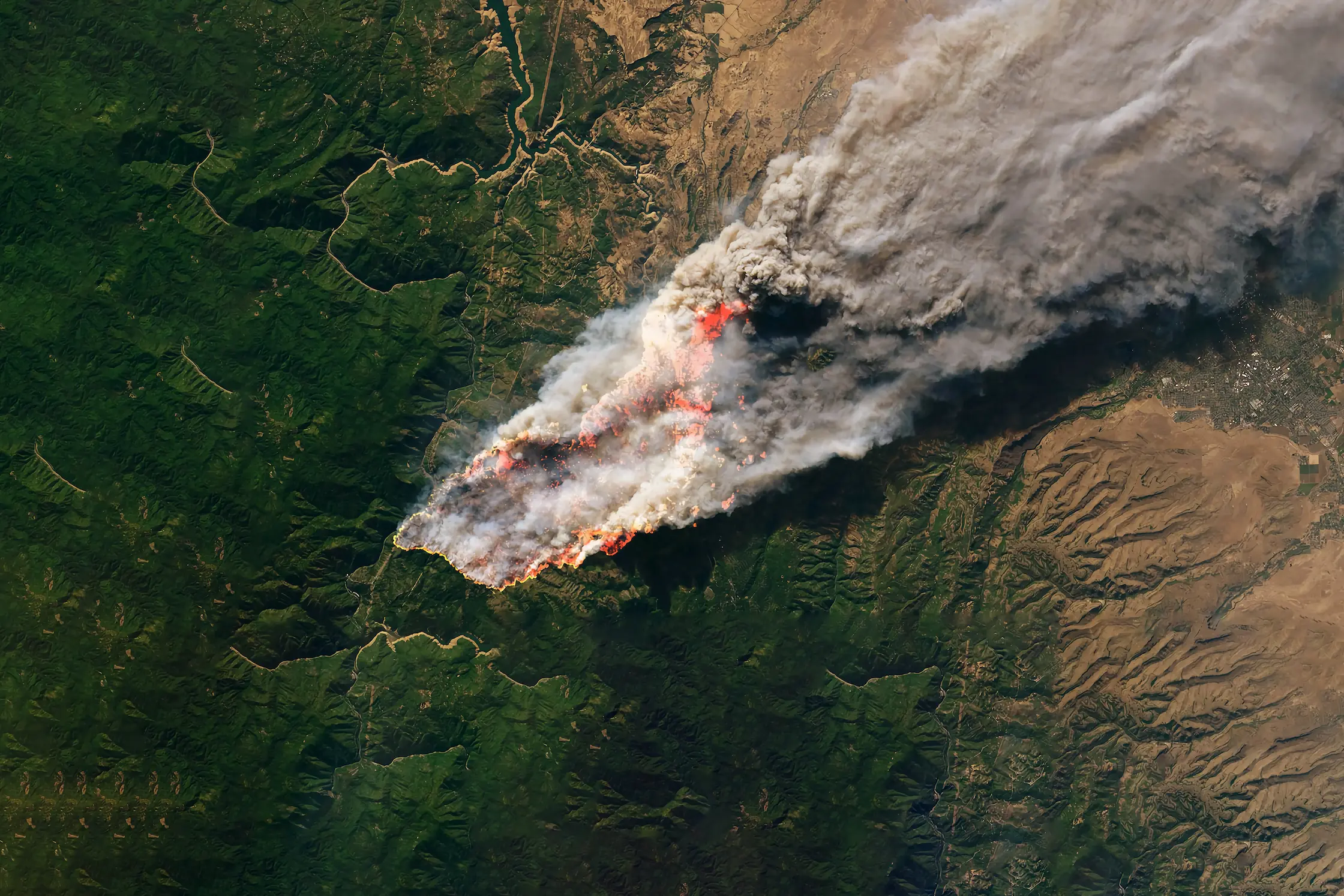
Wildfires now result in nearly 6 million more hectares of tree cover loss per year than in 2001, an area the size of Croatia.
Feb 19, 2026
BirdsEyeView Secures Seven-Figure Investment to Accelerate Global Expansion
BirdsEyeView, the European Space Agency-backed insurtech specializing in natural catastrophe modelling and exposure management, has secured an undisclosed seven-figure investment to support the company’s continued international growth and ongoing product development.
BirdsEyeView, the European Space Agency-backed insurtech specialising in natural catastrophe modelling and exposure management, has secured an undisclosed seven-figure investment to support the company’s continued international growth and ongoing product development.
The funding round was led by venture and growth equity fund 24 Haymarket, with additional participation from all existing investors. The investment follows a period of strong momentum for BirdsEyeView, which has experienced 200% growth in turnover while expanding operations into both the United States and Australian markets.
As the company scales internationally, it has also continued to build its client base, with organisations including Convex and Cincinnati Financial among its headline customers.
Supporting the Next Phase of Product Development
The new investment will be directed toward several strategic priorities for the business. These include accelerating the development of BirdsEyeView’s machine learning-driven wildfire model, expanding its team of PhD-level scientists and climate specialists, and strengthening commercial operations across North America and Australia.
As wildfire activity intensifies across multiple regions, insurers are increasingly seeking more advanced tools to understand evolving risk patterns. This shift is partly driven by climate change, which is contributing to more severe fire behaviour and expanding wildfire risk into areas that were not historically considered high-risk zones.
BirdsEyeView believes that many legacy wildfire models struggle to capture these rapid changes because they rely heavily on historical datasets that may not fully reflect emerging environmental conditions. As a result, there is growing demand for more adaptive, data-driven approaches to wildfire risk assessment.
Advancing AI-Driven Hazard Modelling
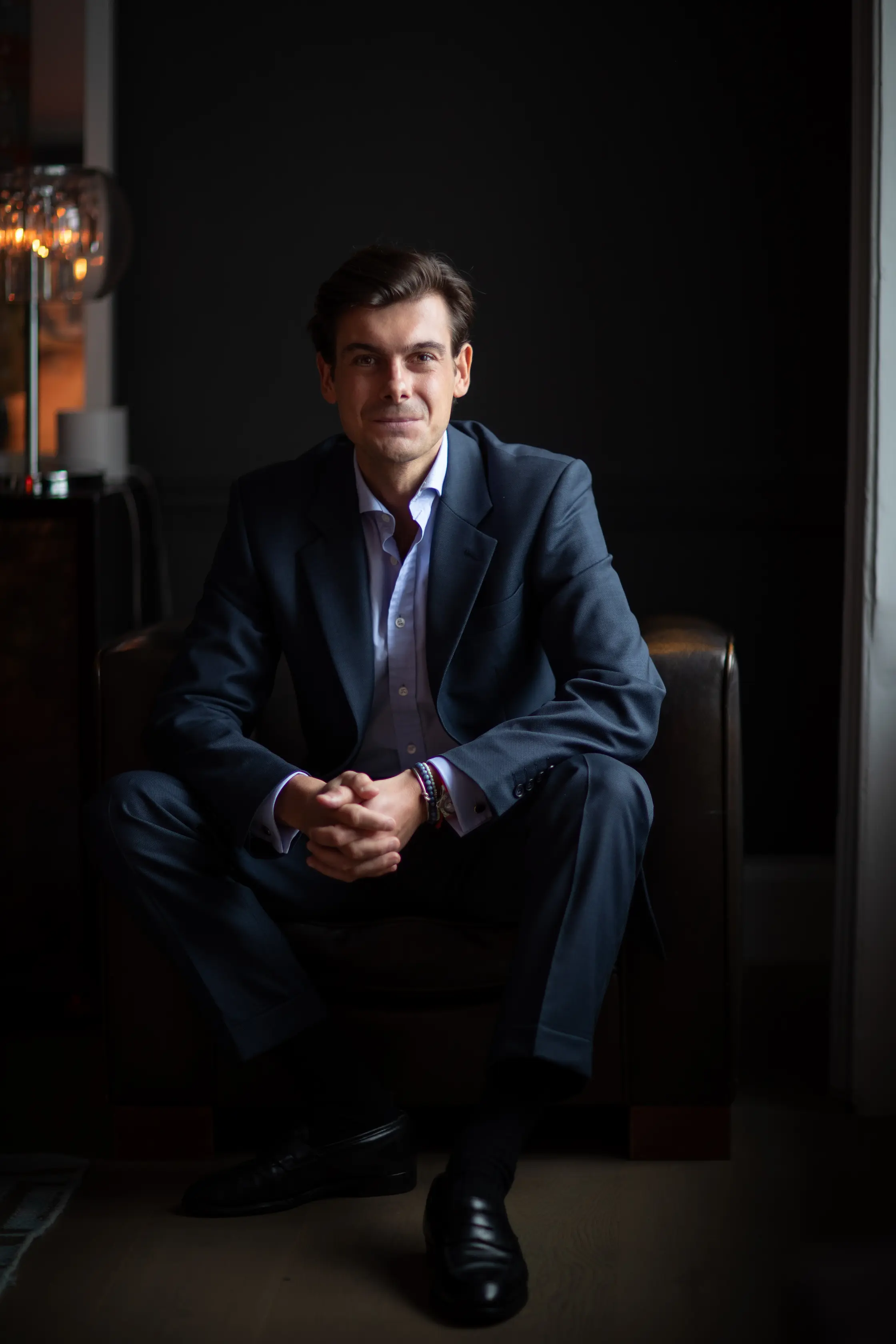
Commenting on the investment, James Rendell, CEO and founder of BirdsEyeView, highlighted the company’s recent progress within the insurance market.
“Throughout 2025, we established ourselves as a trusted natural catastrophe and hazard modelling partner across the Lloyd’s and Coverholder market. This investment allows us to build on that momentum,” he said.
Rendell also pointed to the increasing role of artificial intelligence in improving hazard modelling workflows.
“Advances in AI are transforming hazard modelling, particularly by automating time-consuming data preparation processes that underpin model accuracy. This enables teams to focus on higher-value scientific analysis, while ensuring models evolve in line with new data, emerging risks, and a rapidly changing climate.”
Combining Satellite Data with AI Analytics
Jamie Dunnett, Investment Director at 24 Haymarket, also commented on the company’s approach to risk analytics.
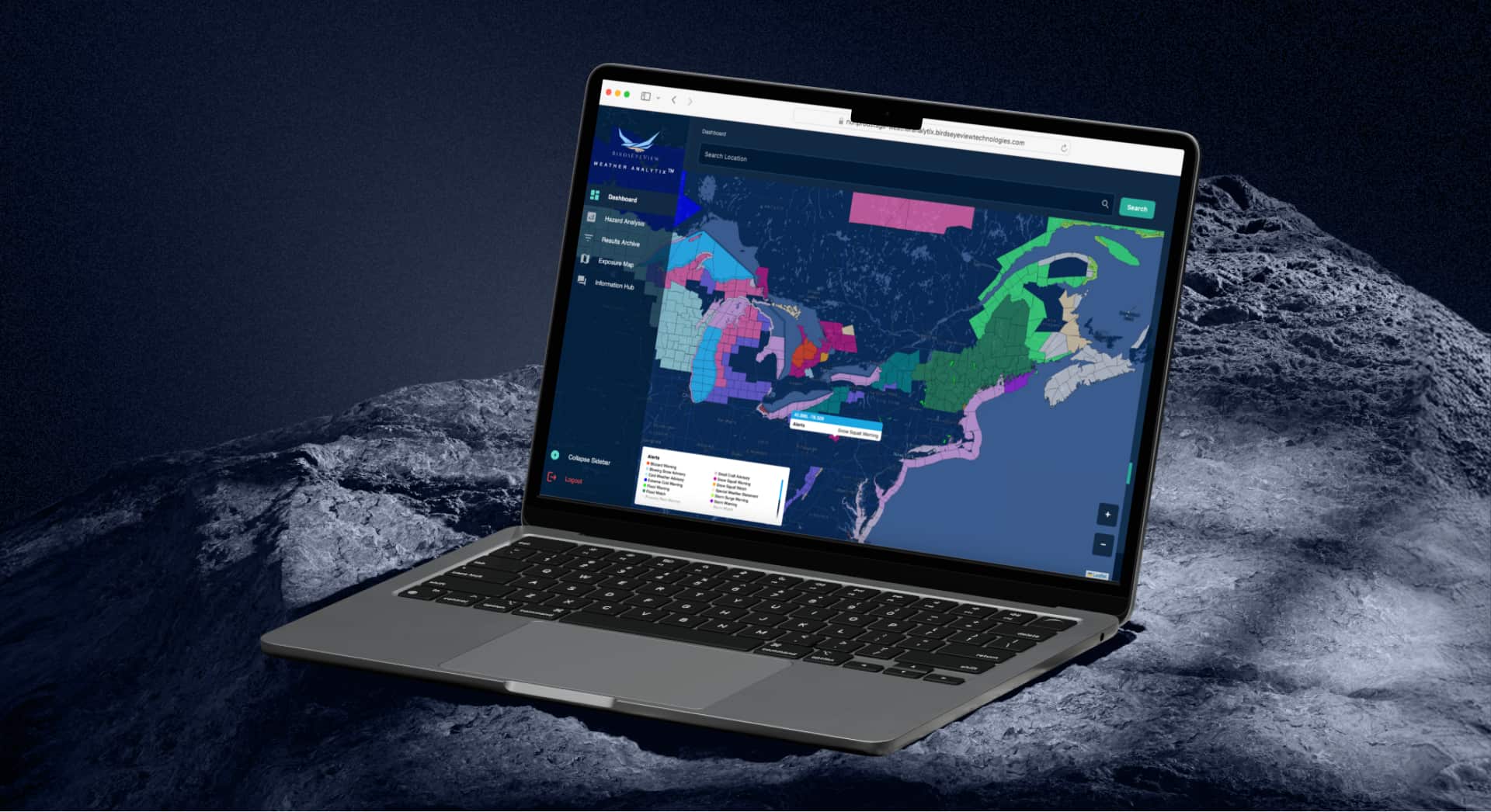
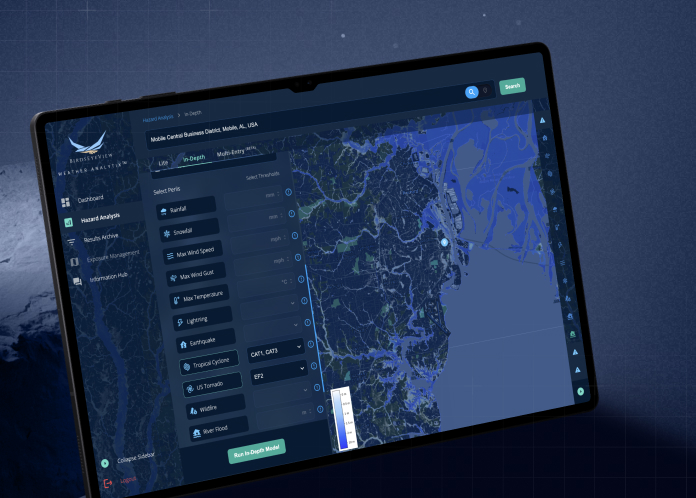
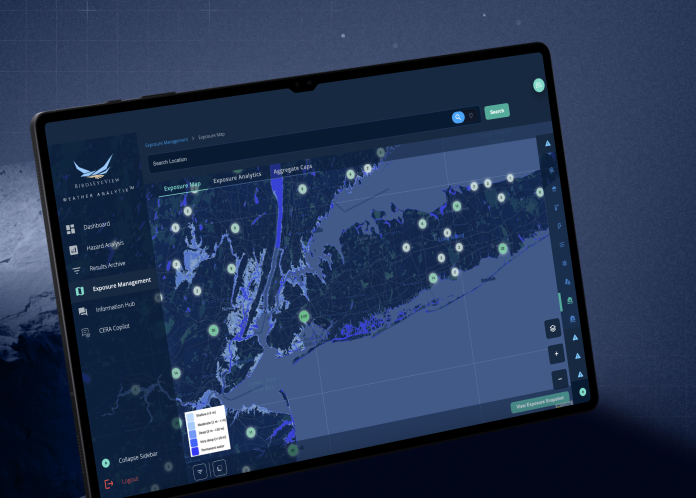
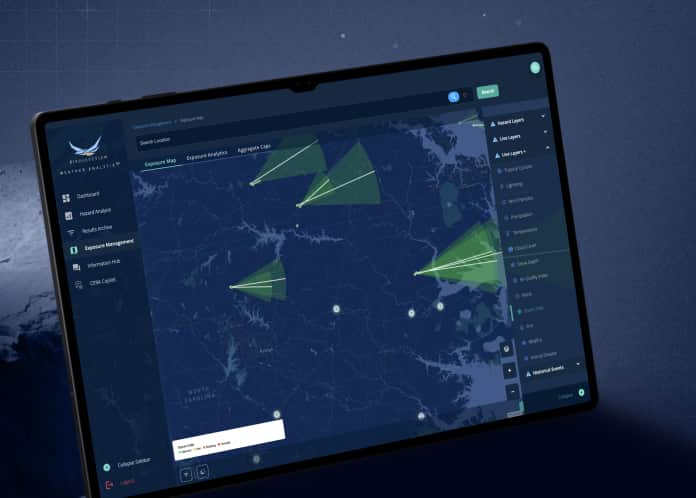
“BirdsEyeView’s platform combines high-resolution satellite data with advanced AI analytics to deliver real-time risk assessment and live portfolio exposure management at an underwriter’s desktop.”
By integrating geospatial intelligence, satellite imagery, and machine learning techniques, the platform aims to provide insurers with more detailed insight into environmental risk and portfolio exposure.
Growing Global Adoption
BirdsEyeView’s technology is currently used by more than 20 insurers, brokers, and managing general agents (MGAs) worldwide. Among those organisations are Allianz, Liberty Specialty Markets, AXA XL, HDI, and Aon.
With fresh investment and continued product innovation, the company is positioning itself to further expand its presence in key international markets while continuing to develop advanced tools for catastrophe modelling and exposure management.
BirdsEyeView Secures Seven-Figure Investment to Accelerate Global Expansion
BirdsEyeView, the European Space Agency-backed insurtech specializing in natural catastrophe modelling and exposure management, has secured an undisclosed seven-figure investment to support the company’s continued international growth and ongoing product development.
Have questions about CERA®, integrations, pricing, or use cases for your organization? Our specialists can walk you through the platform and recommend the right solution.
.webp)